Property Tax in India: The Ultimate Power-Pack
what is property tax in India? Learn the types, how to calculate it online, plus GST on rent, TDS on rent and rental yield, all in simple words.
By Muskan Panchal · 27 Oct 2026 · Updated 31 Oct 2026 · 8 min read
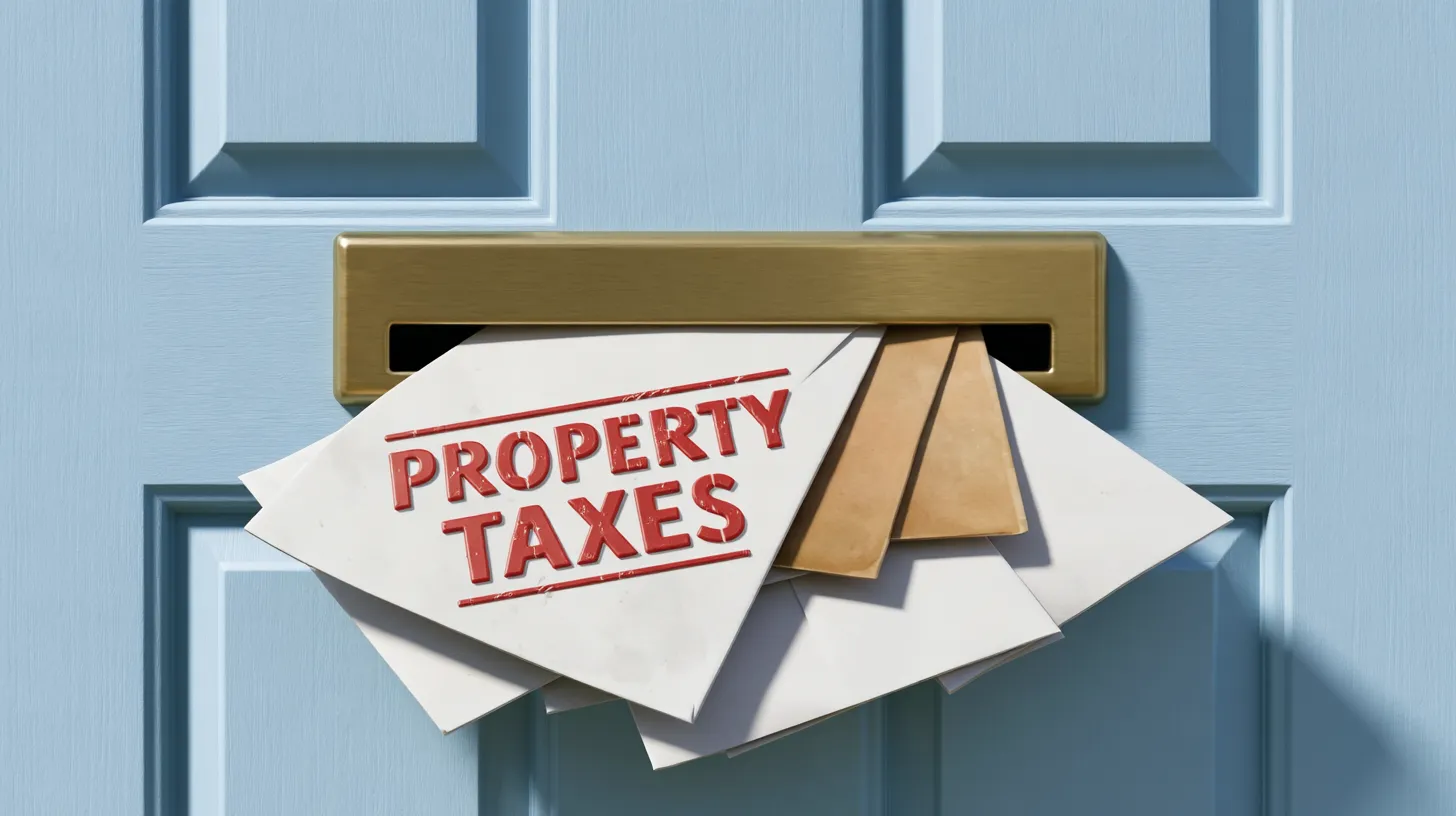
Imagine your school. Someone sweeps the corridors, mends broken benches, and keeps the lights on every day. So, who is paying for all that? Everyone chips in, of course! Similarly, your city works the same way. However, roads, drains, streetlights, and garbage trucks cost money, so the city asks property owners to pay for them. This contribution is called property tax. So, what is property tax in India? Simply put, it is a yearly charge that local municipal bodies collect from owners of land, houses, shops, and other buildings. In other words, it is the money you pay to keep your neighborhood clean, safe, and running smoothly.
And perhaps you’ve heard your parents say, “The property tax is due!” and wondered what this tax is in India and why it matters. Good news: You’re in the right place. This guide explains everything in simple words, with real-life examples so even a 10 year old can follow along.
What is Property Tax in India? The Simple Answer
It is a sum of money that the owner of a house, flat, shop, office or plot pays to the local government every year. In most cities, this tax is paid to the municipal corporation or municipality, such as the MCD in Delhi, BBMP in Bengaluru or BMC in Mumbai. In contrast, in villages, it is typically collected by the gram panchayat. Moreover, the money collected is used to fund essential local services like roads, street lighting, water supply and sanitation. Therefore, understanding what property tax in India involves is important for every property owner, as paying it on time helps you avoid penalties and keeps your ownership records in order.
So what is property tax in India in one line? It’s the annual fee charged to the owner for the city services that make a neighborhood safe, clean and comfortable.
Here is a simple example. Ravi lives in a flat in Pune. He never pays a bill each time a garbage truck goes by, or a streetlight comes on at night. He pays one bill a year for the taxes, and the city uses that money to run those services. That’s all!
Who Pays Property Tax?
The answer is simple: it’s the owner who pays, not the tenant.
For instance, if Meena takes a lease of Ravi’s flat, the property tax bill is still in Ravi’s name. But many landlords price that into the rent. It is paid by owners of flats, houses, vacant plots, shops and offices.
Why Should You Pay It on Time?

Now that you know what is property tax in India, let’s see why paying on time is a smart move:
Better city living: Your money is used to build roads, clean drains, maintain parks and light up streets.
No penalties: Late payment can lead to interest and penalties. If dues remain unpaid for long, authorities may even seize the property.
Easy to sell: banks and buyers often want tax receipts. Clear dues make for an easier sale.
Early-bird discounts: Many cities will give you a discount if you pay before a deadline. The exact offer will differ from city to city.
Types of Property Tax in India
Once you understand what is property tax in India, the next step is knowing its types. It is classified in two main ways.
1. Types Based on Property Usage
Residential tax: Applies to apartments, houses and villas. Rates are usually the lowest.
Commercial tax: Applies to shops, offices, hotels and malls. Rates are higher because these properties generate income.
Industrial tax: Applies to factories and storage facilities.
Vacant land tax: Applies to empty plots, so owners pay even without a building.
2. Types Based on Calculation Method
Annual Rental Value (ARV): Tax is based on the rent your property could earn in a year.
Capital Value (CV): Tax is based on the market value of the land and building.
Unit Area Value (UAV): The city is divided into zones with a fixed rate per square foot, which is multiplied by your property’s area. Delhi follows this method.
3. Other Charges on Your Bill
In addition to the main tax, your bill may include water tax, sewer tax, street lighting or fire charges. Moreover, these vary from city to city. For instance, one municipality may bundle everything into one payment, while another lists each charge separately. Therefore, always check the breakup on your bill so you know exactly what you are paying for.
How Is Property Tax Calculated?
Knowing what it also means knowing how the bill is prepared. Each city has its own rules, but the basic idea is the same:
Property tax=Base value of the property Tax rate Adjustment factors
Adjustment factors might include age of the building, the floor, type of use, and whether the owner lives there or has rented it out.
Here is a simple, fictional example to help you understand what is property tax in India. Consider the base value of Sunita’s flat to be ₹50 lakh and the tax rate to be 0.2%. So her tax per year is ₹50,00,000 × 0.2% = ₹10,000. Actual tax rates in India vary from city to city, so be sure to check your local municipal regulations.
How to Calculate Property Tax Online
A quick search regarding this often leads people to online calculators. The good news is? It's as easy as ordering food from your mobile. Do the following:
1. Go to your city’s official website: Visit the Municipal Corporation/State Property Tax website. To ensure your safety, always use the official site.
2. Locate the property tax section: Search for words like “Property Tax”, “Know Your Tax” or “Tax Calculator”.
3. Input your property details: You will need the locality or zone, built up area, type of use (home or shop), age of the building, floor and whether it is rented or self-occupied. Some cities also request your Property ID.
4. Press Calculate: The portal will display your estimated annual tax.
5. Pay online: Most of the portals accept UPI, Net Banking and Cards. Download the receipt and hold onto it.
Pro Tip: Keep your receipt from last year and your property ID handy. It saves a lot of time.” Dad
Renting Out Your Property? Know These Three Things Too

Other Money Terms Landlords Should Know
Besides property tax, landlords in India should know a few more financial terms. Here is a short guide.
GST on Rent
First, what is property tax? It is a local levy that municipal bodies charge owners of land and buildings. It is separate from GST and varies from city to city.
Now, on GST: renting a home for residential use generally attracts no GST. However, commercial rent is different. If you rent out a shop or office and your income crosses the GST threshold, you may need to charge 18% GST. Therefore, check the property type and your tenant's status before deciding. Also, keep your property tax payments up to date, as both affect your cost of owning a property.
GST rules change often, so check the latest notifications or consult a tax expert.
TDS on Rent
TDS stands for Tax Deducted at Source. Instead of paying the full rent, the tenant deducts a small portion and deposits it with the government. For the landlord, it counts as an advance tax payment.
How to Calculate Rental Yield
Rental yield shows how much your property earns compared to its price.
Rental yield (%) = (Annual rent ÷ Property value) × 100
Example: Arjun buys a flat for ₹60 lakh and rents it for ₹20,000 a month.
Annual rent = ₹20,000 × 12 = ₹2,40,000
Rental yield = (₹2,40,000 ÷ ₹60,00,000) × 100 = 4%
For a more accurate picture, subtract annual costs such as property tax (₹12,000) and maintenance (₹18,000). Thereafter, net rent is ₹2,10,000 and net yield is 3.5%. As you can see, it directly reduces your income, which is why smart investors always factor it in.
FAQs: What Is Property Tax in India?
What is property tax in simple words?
It is a yearly fee that property owners pay to their local municipal body for city services.
Is property tax paid every year?
Yes. Most cities collect it annually, and some allow half-yearly payments.
Do tenants pay property tax?
No. The owner pays, though the landlord may adjust the rent accordingly.
What happens if I don't pay?
You may face interest, penalties and, in serious cases, legal action on the property.
Can I pay property tax online?
Yes. Most big cities offer online payment on their official portals.
Is property tax the same as income tax?
No. It goes to your local city body, while income tax goes to the central government.
Buy, Sell or Rent Smarter with the CLinqUp App
Now you know what is property tax in India, how to calculate it online, and how GST on rent, TDS on rent and rental yield work together. The next step is putting this knowledge to use. That is where the CLinqUp app (clinqup.com) can help.
CLinqUp brings dealers and buyers onto one platform, so both sides can connect easily.
If you are a buyer: Explore properties, connect with dealers and ask the right questions before you buy. Ask about pending property tax, expected rent and rental yield, so you make a confident decision.
If you are a dealer: Reach genuine buyers and show your listings to people who are actively searching. Informed buyers who understand property tax and rental yield tend to make faster decisions.
Whether you are buying your first flat or building a rental portfolio, learning what is property tax in India is the first step. Download the CLinqUp app today, and take the second step with confidence!